When disaster strikes, wildlife response cannot be worked out on the run
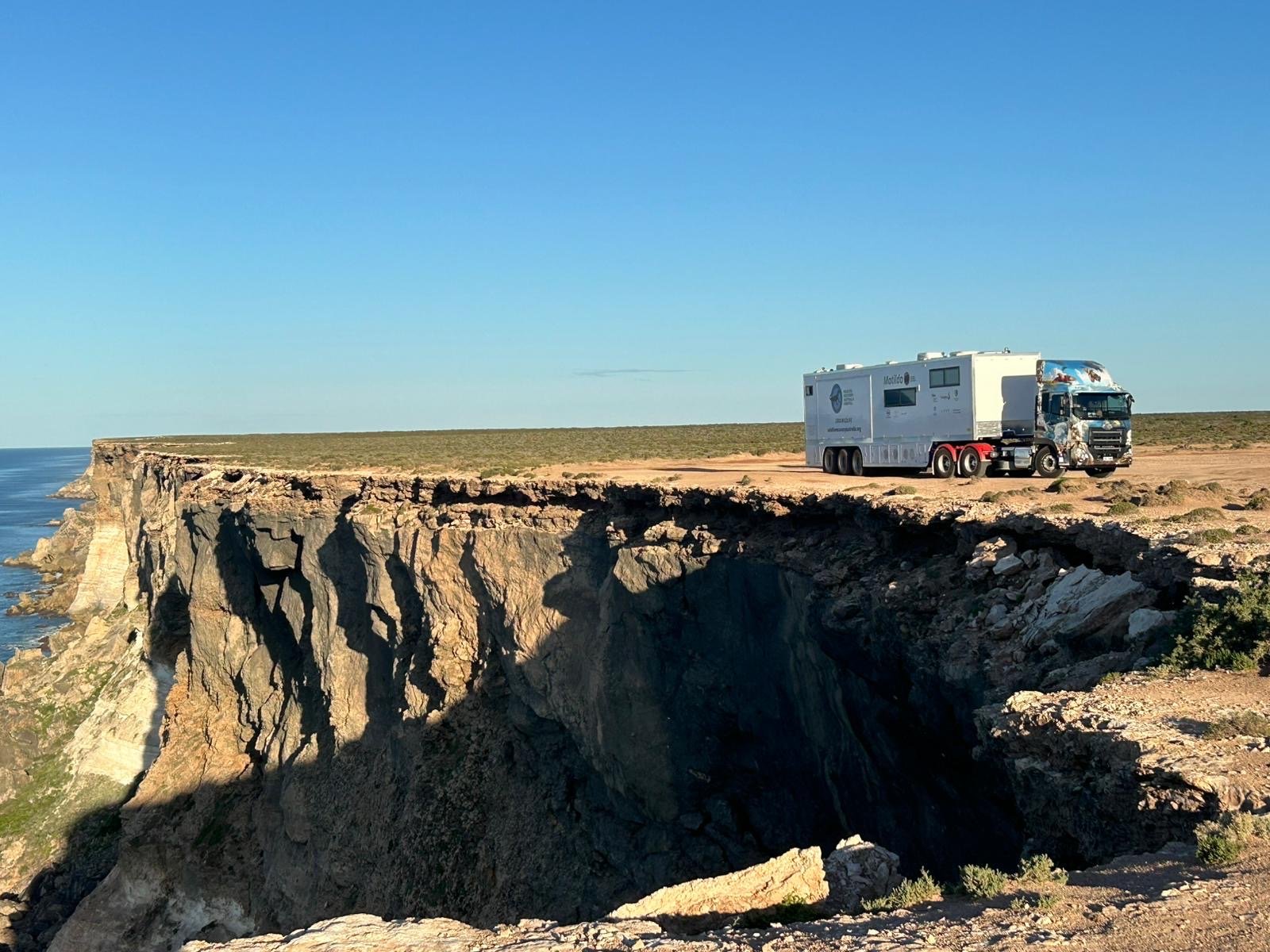
Matilda, Australia's first and only mobile wildlife hospital, en route to Western Australia via the Nullarbor Plain. Image: Stephen Van Mil
Australia is no stranger to natural disasters. Bushfires, floods, cyclones and extreme weather events are becoming increasingly frequent and severe.
When these disasters strike, our emergency services mobilise. Communities evacuate. Relief centres open. Systems designed to protect people, property and livestock are put into action.
But for native wildlife, the response is often far less certain.
A recently released Victorian Parliamentary Inquiry into the state’s 2026 summer fires has again highlighted serious gaps in the way wildlife emergencies are managed.
The fires burned more than 440,000 hectares across Victoria. One person lost their life, thousands of livestock were killed, and the loss of native wildlife was described as incalculable.
The Inquiry made 93 findings and 80 recommendations, identifying systemic shortcomings across the broader emergency response. It also heard evidence of unclear arrangements for wildlife responders attempting to access firegrounds, underused veterinary and volunteer expertise, communication failures and public confusion about where injured wildlife should be reported.
In a wildlife emergency, confusion costs time—and time can mean the difference between treatment and suffering, recovery and death.
Wildlife must be part of the emergency plan
Wildlife rescue and treatment cannot begin only once the immediate danger has passed and the rest of the emergency response is winding down.
It must be integrated into disaster planning from the beginning.
That means knowing who is responsible, which organisations are authorised to respond, how qualified teams will access affected areas, where animals will be triaged and treated, and how wildlife carers, veterinarians, government agencies and emergency services will communicate.
It also means ensuring that the people expected to deliver this work have the funding, training, equipment and clinical facilities they need.
Australia currently relies heavily on wildlife rescuers, carers, veterinarians and charitable organisations to respond during emergencies. Their commitment is extraordinary, but commitment alone is not a national disaster-response system.
Wildlife organisations should not be left searching for resources, navigating uncertain approval processes or relying on last-minute philanthropy while injured animals wait for care.
We have already seen what delay can mean
Earlier this year, Wildlife Recovery Australia’s mobile wildlife hospital, Matilda, was travelling through Western Australia when Tropical Cyclone Narelle struck Exmouth.
The cyclone left thousands of animals washed ashore, critically affected or dead. Turtle nests were destroyed, exhausted seabirds were stranded and marine animals were displaced onto beaches.
Matilda—Australia’s first and only fully equipped mobile wildlife hospital—was ready to divert to the disaster zone and provide specialist veterinary care. However, the team remained on standby in Perth for more than a week while awaiting permission to enter the region.
By the time access was granted and the response team reached Exmouth, no surviving cyclone-affected animals were found.
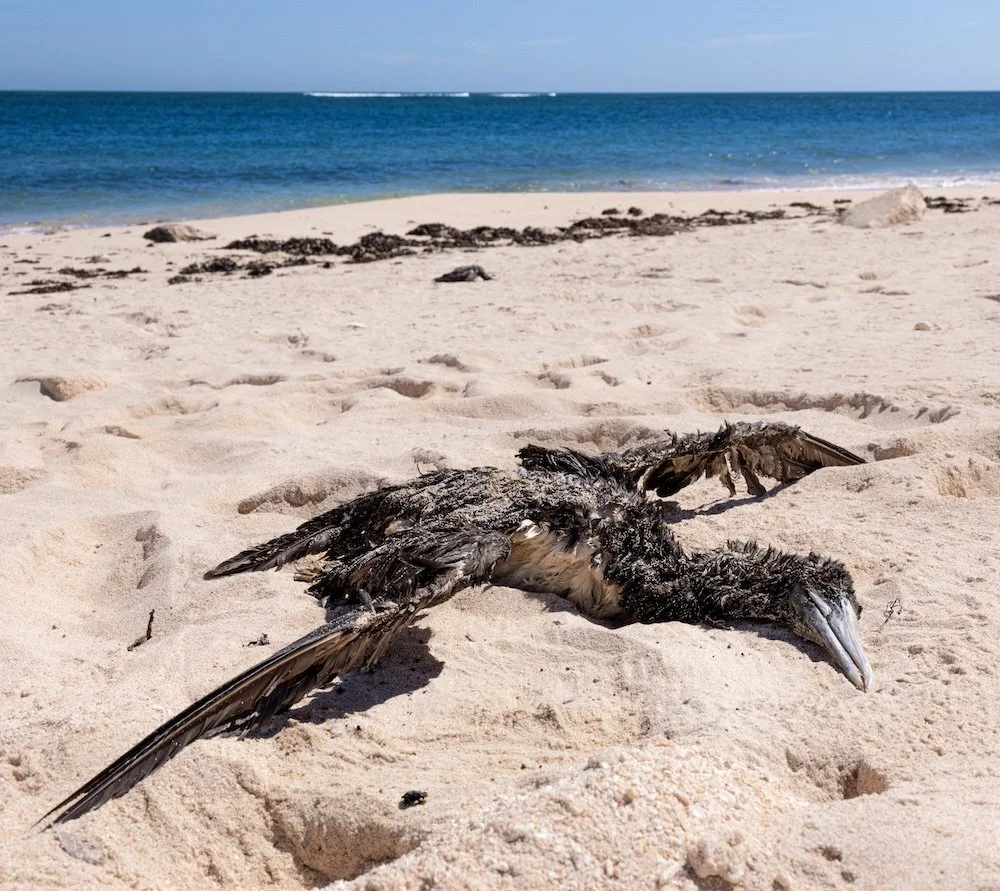
Exmouth Western Australia
On Friday March 27th, Tropical Cyclone Narelle hit the coastal town of Exmouth, Western Australia, gateway to UNESCO World Heritage-listed Ningaloo Reef. It was heartbreaking to see the impact on local wildlife once we were given permission to enter the region.
The experience demonstrated something important: having the right people and equipment is only part of the answer.
We also need agreed protocols that allow those resources to be activated and deployed quickly, safely and in coordination with local authorities.
A mobile hospital cannot save wildlife if it is waiting hundreds of kilometres away for the system to decide how it fits into the response.
What Matilda makes possible?
Matilda was created to bring expert veterinary care closer to wildlife when and where it is needed.
The hospital includes facilities for triage, diagnostics, surgery, treatment and immediate clinical care. Rather than transporting injured animals over long distances before treatment can begin, Matilda can take veterinary capability closer to the disaster zone.
Following Byron Bay Wildlife Hospital’s move into its permanent veterinary facility at Lennox Head, Matilda is now available as a deployable national asset.
What a national framework should deliver
What Australian wildlife needs is a nationally coordinated and properly funded framework for wildlife rescue, treatment and care.
This should include:
clear leadership, responsibilities and lines of authority during wildlife emergencies
pre-approved deployment and fireground-access protocols for qualified wildlife responders
formal integration of wildlife veterinary teams into emergency-management structures
sustainable funding for wildlife hospitals, rescue organisations and rehabilitation networks
national standards for wildlife triage, treatment, transport and data collection
shared training and preparedness exercises involving government agencies and wildlife organisations
strategically located mobile veterinary hospitals that can deploy rapidly following disasters
recognition of the knowledge and role of Traditional Owners in caring for Country and responding to wildlife emergencies
coordinated planning across local, state, territory and federal governments.
It is essential that any framework covers the full response pathway—from rescue and immediate veterinary treatment through to rehabilitation, release and longer-term monitoring of affected populations.
It must also recognise that wildlife disasters do not respect state borders.
A cyclone in Western Australia, a bushfire in Victoria, flooding in northern New South Wales or a disease outbreak affecting migratory wildlife may require expertise and equipment from multiple jurisdictions. Australia needs a system that allows those resources to move quickly and work together.
Preparedness is not an optional extra
The Victorian Parliamentary Inquiry provides another opportunity to learn before the next disaster.
We should take it.
Wildlife response cannot continue to depend on improvised arrangements, uncertain access and the extraordinary goodwill of volunteers and donors. Nor should wildlife be treated as an additional consideration once human, property and agricultural priorities have been addressed.
Native animals are part of the ecosystems, landscapes and communities affected by disaster. Their welfare matters, and their survival is fundamental to the recovery of those environments.
Australia already has the expertise. It has dedicated wildlife veterinarians, rescuers, carers, researchers and community organisations. It has proven clinical infrastructure and, through Matilda, a working example of mobile wildlife veterinary capability.
What it does not yet have is a nationally coordinated system that brings all of these elements together.
The next emergency will not wait for us to develop one. The time to build it is now.
Learn more about Matilda and support our work to transform how Australia responds to wildlife in crisis. Donate to keep Matilda on the road, and to expand the Matilda fleet.